


How ICU-Capable Medevac Flights Work in Canada
When patients require urgent air transport, their condition often demands more than basic medical supervision. It requires intensive-care capability at altitude.
That’s why modern air ambulances in Canada are equipped as mobile ICUs, designed to replicate hospital-level treatment thousands of feet above ground.
In this guide, we explore what equipment and expertise go into every Jetbay-coordinated medevac flight and how these flying intensive care units keep patients safe from take-off to landing.
Why ICU-Level Air Ambulance Capability Matters
During a medical evacuation, patients are often in critical condition: ventilated, recovering post-surgery, or dependent on continuous medication. At altitude, changes in pressure and oxygen levels can affect vital functions.
That’s why every Jetbay-partnered aircraft includes advanced life-support systems, ensuring that care continues seamlessly just as it would in an emergency ward. To understand how these flights fit into the full process, see the overarching Air Ambulance & Medevac Charter Services in Canada guide.
The Core Medical Equipment on Jetbay Medevac Flights
1. Advanced Ventilation and Oxygen Systems
Every air ambulance carries ventilators capable of both invasive and non-invasive support, along with an independent oxygen supply to maintain precise flow control.
This is critical for patients with respiratory failure, trauma injuries, or chronic illness.
2. Cardiac Monitors and Defibrillators
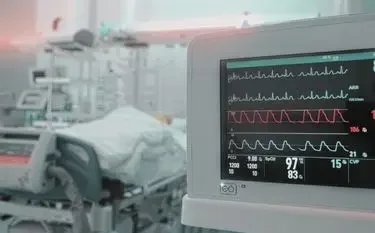
Continuous ECG monitoring tracks heart rhythm and blood pressure throughout the flight. Defibrillators and pacing devices are available for cardiac emergencies, ensuring that the medical crew can intervene immediately if needed.
3. Infusion and Suction Systems
Infusion pumps deliver medication, nutrition, or anaesthetics with exact dosage accuracy, while suction units help manage airway clearance and reduce aspiration risk. These systems operate independently of cabin power, ensuring reliability in any scenario.
4. Diagnostic and Monitoring Devices
Portable blood-gas analysers, pulse oximeters, and temperature sensors allow the onboard team to evaluate patient status in real time. All data is logged and relayed to the destination hospital during flight to ensure treatment continuity.
5. Emergency and Trauma Equipment
Air ambulances stock immobilisation kits, cervical collars, stretchers with hydraulic loading systems, and trauma packs to stabilise patients during transfer. This ensures readiness for high-impact injuries or time-sensitive surgical cases.
6. Critical Care Medication and Supplies
A complete formulary of emergency and routine drugs, including pain relief, cardiac agents, sedatives, and antibiotics, is kept on board under controlled storage conditions.
Air Ambulance Setup and Aircraft Configurations
Jetbay partners with aircraft ranging from light jets for regional transfers to long-range heavy jets for intercontinental missions.
Each is customised for medical transport, with:
- Removable cabin seating for stretcher installation
- Noise and vibration reduction systems
- Dedicated space for medical equipment racks and power supplies
- Controlled cabin pressurisation for patient stability
Safety and Redundancy Systems
Jetbay’s partner aircraft feature redundant power and oxygen systems, ensuring that no single technical failure can compromise care. Medical devices are tested and calibrated before each mission.
The operations team maintains constant communication between the flight deck and medical crew, allowing real-time adjustments to altitude, speed, or cabin pressure based on patient needs.
Integration with Hospital Protocols
Every medevac mission is coordinated with both the sending and receiving hospitals. Pre-flight briefings align the onboard medical plan with the patient’s hospital chart.
During flight, progress updates are relayed to the destination care team, ensuring readiness for immediate treatment upon arrival. This level of communication defines Jetbay’s bed-to-bed approach, which guarantees uninterrupted continuity of care from start to finish.
ICU-Level Care In-Flight Services with Jetbay
When lives are in critical condition, technology and expertise must work hand in hand. With Jetbay’s ICU-equipped air ambulances, patients receive hospital-grade care, uninterrupted attention, and the safety of Canada’s most trusted medevac network.
Explore onboard medical setups or request a medevac quote now. For further reading:
- Air Ambulance & Medevac Charter Services in Canada
- Bed-to-Bed Transfer Explained
- Cost & Insurance Considerations for Medical Flights
Frequently Asked Questions About ICU-Level Medevac Flights
1. What does “ICU-level” mean on a medevac flight?
It means the aircraft is equipped and staffed to provide the same monitoring, treatment, and life-support capabilities as a hospital intensive-care unit.
2. Who operates the medical flight equipment onboard?
A trained medical crew (typically a doctor and nurse) monitors and operates all onboard systems from take-off to landing.
3. Can ventilated patients be flown safely?
Yes. Air ambulances use advanced ventilators designed for cabin pressure changes, ensuring consistent respiratory support.
4. What happens if there’s a power failure onboard?
All ICU equipment runs on dual-power systems with battery backups and redundancy features to maintain continuous operation.
5. Do all air ambulances have the same level of equipment?
No. Equipment levels depend on the operator and case type. Jetbay only partners with licensed providers offering full ICU capability.